
Best Mount Sinai tour packages
Best Mount Sinai tour packages
Discover the best Mount Sinai tour packages with sunrise hikes, expert guides, and visits to St. Catherine Monastery. Book an unforgettable Sinai experience today.
Summiting the Divine: The Exhaustive Guide to the Best Mount Sinai Tour Packages (2026 Edition)
Introduction: A Pilgrimage Through Time and Stone
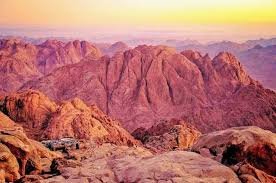
In the heart of the South Sinai Peninsula, a landscape of jagged red granite tears at the cobalt sky, creating a theater of silence that has drawn prophets, pilgrims, and wanderers for three millennia. This is not
merely a geological formation; it is a spiritual anchor for half the world’s population. Mount Sinai, known locally as Jebel Musa (the Mountain of Moses), stands 2,285 meters above sea level, commanding a rugged
wilderness that defies the passage of time. It is here, in the shadow of these copper-hued peaks, that the foundational narratives of Judaism, Christianity, and Islam converge. Tradition holds that this is the very
earth where Moses stood before the Burning Bush and later received the Ten Commandments, binding the divine to the human in a covenant etched in stone.
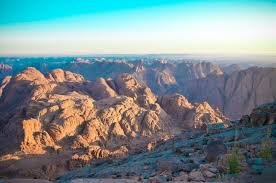
Discover the best Mount Sinai tour packages designed for travelers seeking a once-in-a-lifetime spiritual and adventure experience. From breathtaking sunrise hikes on Jebel Musa to guided visits inside St. Catherine’s Monastery, these Mount Sinai tours combine history, faith, and desert adventure in one unforgettable journey across Egypt’s Sinai Peninsula.
Why Choose the Best Mount Sinai Tour Packages?
Choosing one of the best Mount Sinai tour packages ensures a safe, well-organized, and deeply enriching experience. Licensed Bedouin guides, comfortable transportation, and carefully planned itineraries allow you to focus on the spiritual significance and natural beauty of Mount Sinai without logistical stress. Whether you’re traveling from Sharm El Sheikh, Dahab, or Cairo, a professional tour guarantees smooth access and expert insight.
Types of Mount Sinai Tour Packages
Mount Sinai Sunrise Tour
The most popular option, the Mount Sinai sunrise tour, starts late at night and leads you to the summit just in time to witness the legendary sunrise. This package usually includes a Bedouin guide, transportation, and a post-hike visit to St. Catherine’s Monastery.
Overnight Mount Sinai Tour
An overnight Mount Sinai tour package allows for a slower pace, extra rest, and more time to explore the surrounding Sinai landscape. Ideal for travelers who prefer a less rushed experience.
Private vs Group Tours
Private Mount Sinai tour packages offer flexibility and personal attention, while group tours are more budget-friendly and social. Both options follow the same hiking routes and safety regulations.
What’s Included in Mount Sinai Tour Packages?
Most Mount Sinai tour packages typically include:
-
Round-trip transportation from Sharm El Sheikh, Dahab, or Cairo
-
Licensed Bedouin guide (mandatory by Egyptian law)
-
Sunrise hike to Mount Sinai summit
-
Visit to St. Catherine’s Monastery
-
Assistance from tour coordinators
Optional extras may include meals, camel rides, or private guides.
Mount Sinai Tour Prices – What to Expect
Prices for Mount Sinai tour packages vary depending on:
-
Departure city
-
Group size
-
Private or shared tour
-
Included services
On average, prices range from budget-friendly group tours to premium private experiences. Always confirm what is included before booking.
The Spiritual and Historical Significance of Mount Sinai
Known locally as Jebel Musa, Mount Sinai rises 2,285 meters above sea level and holds profound importance in Judaism, Christianity, and Islam. Tradition states this is where Prophet Moses received the Ten Commandments. The mountain’s spiritual gravity makes Mount Sinai tours more than just a hike—they are a pilgrimage through time.
St. Catherine’s Monastery Tour Experience
Founded in the 6th century, St. Catherine’s Monastery is one of the oldest continuously operating Christian monasteries in the world. Most Mount Sinai tour packages schedule the monastery visit after the descent.
Key Information:
-
Opening hours: 9:00 AM – 11:30 AM
-
Closed: Fridays, Sundays, and religious holidays
Highlights include the Sacred Burning Bush, the Well of Moses, ancient icons, and priceless manuscripts.
Is the Mount Sinai Hike Difficult?
The hike is considered moderate. The Camel Path offers a gradual ascent, while the final 750 steps require physical effort. Most travelers with basic fitness can complete the hike comfortably, especially with rest stops along the way.
Frequently Asked Questions About Mount Sinai Tour Packages
Do I need a guide?
Yes. A licensed Bedouin guide is mandatory and included in all Mount Sinai tour packages.
Can I hike Mount Sinai independently?
No. Independent hiking is not permitted.
Is there mobile signal?
Signal is limited and unreliable along most of the route.
Are there toilets on the mountain?
Yes, basic facilities are available along the trail.
Best Time to Book Mount Sinai Tour Packages
The best months for Mount Sinai tours are from October to April, when temperatures are cooler and hiking conditions are ideal. Booking in advance is recommended, especially during peak travel seasons.
Conclusion: Book the Best Mount Sinai Tour Packages Today
Whether you seek spiritual reflection, cultural discovery, or adventure, the best Mount Sinai tour packages offer an unforgettable journey through one of Egypt’s most sacred landscapes. From the awe-inspiring sunrise at the summit to the ancient walls of St. Catherine’s Monastery, Mount Sinai remains a timeless destination waiting to be explored.