
Luxor temples and Valley of the Kings tour
Luxor temples and Valley of the Kings tour
Ultimate Luxor Temples & Valley of the Kings Tour
Planning an Egyptian itinerary can feel overwhelming with thousands of years of history to cover in limited time. Taking a comprehensive Luxor temples and Valley of the Kings tour ensures you experience the absolute best of ancient Thebes without the stress. In this guide, you will discover must-see monuments, practical planning advice, and how to choose the right guided experience for your trip.
Why a Guided Day Tour of Luxor’s East and West Bank Is Essential
Luxor holds an extraordinary concentration of the world’s most prized ancient monuments. The Nile River naturally divides the city into two distinct halves: the West Bank (realm of the dead) and the East Bank (realm of the living).
Trying to navigate both banks independently in a single day often leads to wasted time and unnecessary transport haggling. Booking a structured day itinerary with a professional guide lets you move seamlessly between sites while gaining deep context on every dynasty.
Unveiling Luxor’s West Bank: Royal Tombs and Monuments
Crossing to Luxor’s West Bank brings you face-to-face with ancient mortuary architecture. Here, pharaohs constructed secluded burial chambers and grand terraced sanctuaries sheltered beneath the desert cliffs.
Valley of the Kings: Step Inside Royal Tombs
The Valley of the Kings served as the principal burial ground for Egypt’s rulers during the New Kingdom period. For over five centuries, workers excavated elaborate underground tombs deep into the limestone rock to protect mummies and sacred treasures.
- Vibrant Wall Art: Admire remarkably preserved wall reliefs detailing spells from the Book of the Dead.
- Included Entry: Your general tickets grant you access to three rotating standard royal burial sites.
- Special Access: You can choose to purchase additional passes for renowned crypts such as King Tutankhamun or Seti I.
Temple of Hatshepsut: Terraced Architectural Genius
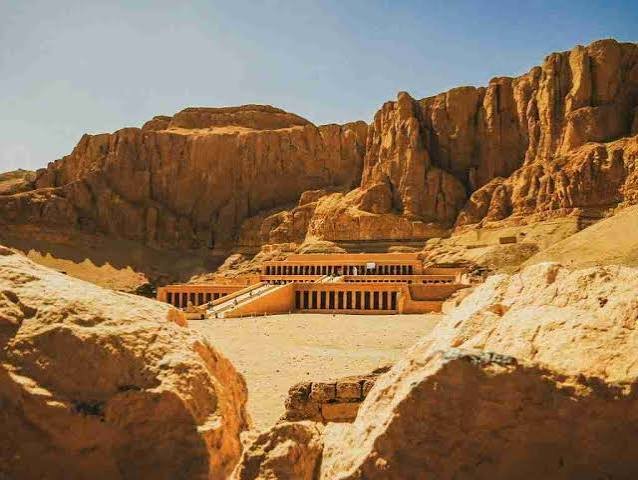
Rising against towering limestone bluffs at Deir el-Bahari, the mortuary temple of Queen Hatshepsut is an architectural marvel. Hatshepsut remains one of ancient Egypt’s most formidable female rulers, and her three-tiered sanctuary reflects unmatched symmetry and ambition.
- Walk along the wide, rising terraces flanked by colonnades.
- Discover detailed relief carvings depicting her legendary expedition to Punt.
- Look out over the dramatic contrast where fertile valley meets barren desert.
Colossi of Memnon: The Giant Guardians
On your way across the plain, you will stop to visit the Colossi of Memnon. These two massive, weathered quartzite statues stand over 18 meters tall.
Originally built to guard the mortuary complex of Amenhotep III, they are all that remain of what was once one of Thebes’ largest complexes. They offer a quick, impressive photo stop full of classical folklore.
Crossing to the East Bank: Karnak and Luxor Temple
After spending your morning exploring royal burial grounds, your afternoon transitions to the lively realm across the Nile to explore the grand sanctuaries of the state gods.
| Monument | Key Highlights |
|---|---|
| Karnak Temple | Great Hypostyle Hall, 134 stone columns, Obelisks |
| Luxor Temple | Avenue of Sphinxes, Ramesses II statues, Pylons |
Karnak Temple: The World’s Largest Religious Sanctuary
No tour of Egypt is complete without setting foot inside Karnak. Built and expanded over 1,500 years by dozens of pharaohs, this sprawling complex was the epicenter of the cult of Amun-Ra.
- Walk among the towering pillars of the Great Hypostyle Hall, designed like a forest of papyrus plants.
- Gaze up at the surviving pink granite obelisk erected by Queen Hatshepsut.
- Walk beside the Sacred Lake, where ancient priests performed ritual purifications.
Luxor Temple: Center of the Opet Festival
Situated directly along the riverfront, Luxor Temple served as the ceremonial heart for the annual Opet Festival. It was here that the divine link between the pharaoh and Amun-Ra was renewed.
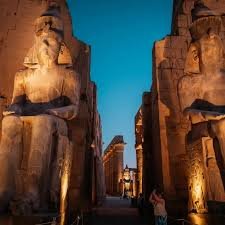
- Enter through the grand pylon flanked by massive seated statues of Ramesses II.
- Marvel at the newly restored Avenue of Sphinxes, which connects Luxor Temple to Karnak across nearly three kilometers.
- Visit late in the afternoon when golden-hour lighting illuminates the carved sandstone columns.
Why Choose a Private Guided Tour with an Expert Egyptologist?
While group tours are widely available, securing a private guided option delivers a noticeably richer experience:
- In-Depth Knowledge: An expert Egyptologist brings stone carvings to life with rich historical storytelling and hieroglyphic translations.
- Seamless Comfort: Premium packages include air-conditioned transport and direct hotel pickup and drop-off.
- Flexible Pacing: A personal guide adapts the schedule to your rhythm—allowing you extra time for photos or specific sites.
- Hassle-Free Access: Your organizer manages entrance logistics and schedules visits to minimize peak crowds and mid-day desert heat.
Essential Tips Before You Book Your Tour
To make the most of your time exploring these iconic ruins, keep these practical pointers in mind:
- Start at Dawn: Beat the desert sun by selecting an early morning pickup from your hotel.
- Secure Entry Passes Early: Pre-book your site tickets through your operator to skip ticket-counter queues.
- Pack Smart: Wear sturdy walking footwear for uneven stones and steep tomb ramps, and carry plenty of water.
- Review Package Inclusions: Ensure your itinerary explicitly confirms whether monument admission fees and meals are included.
Frequently Asked Questions
How long does a full-day tour of Luxor take?
A comprehensive full-day itinerary typically runs between 7 and 9 hours. This provides sufficient time to cover the West Bank during the cooler morning hours, enjoy lunch, and finish with the East Bank temples in the afternoon.
Is a private tour worth it in Luxor?
Yes. Having dedicated transportation and an Egyptologist ensures you bypass logistics headaches, avoid large tour bus groups, and receive detailed answers to your questions throughout the day.
Which tombs are best to see in the Valley of the Kings?
Standard tickets grant entry to three active tombs, such as those of Ramesses IV, Ramesses IX, or Merenptah. If you want to see the original mummy of Tutankhamun or the vibrant corridors of Seti I, you will need separate supplemental tickets.
Can you visit both the East and West Banks in one day?
Yes. A well-organized day trip is specifically designed to balance both sides of the river, leaving you with a complete picture of ancient Theban civilization.
Conclusion: Book Your Unforgettable Luxor Adventure Today
A trip through Luxor offers an unmatched glimpse into humanity’s grandest archaeological wonders. From the secretive depths of royal tombs to the colossal stone forests of Karnak, each site tells a story of power, faith, and eternity.
Take the hassle out of your travel plans. Book your private Luxor temples and Valley of the Kings tour today to secure your expert guide, seamless transport, and memories that will last a lifetime.