
Mountain Sinai travel packages
Mountain Sinai travel packages
Discover the best Mountain Sinai travel packages with guided hikes, Mount Moses sunrise tours, and St. Catherine monastery visits. Book your Sinai adventure today.
Mountain Sinai Travel Packages 2026
Best Mount Sinai Tours, Prices, Itinerary & Booking Guide
If you are looking for Mountain Sinai travel packages that combine spiritual depth, adventure, and professional organization, Mount Sinai (Jebel Musa) offers one of the most unforgettable travel experiences in Egypt. These carefully designed Mount Sinai tours include guided sunrise hikes, St. Catherine’s Monastery visits, and comfortable transfers from Sharm El Sheikh or Dahab.
Our Mountain Sinai travel packages are suitable for solo travelers, couples, families, and religious pilgrims who want a safe, authentic, and well-planned journey to one of the most sacred mountains in the world.
Why Choose Mountain Sinai Travel Packages?
Booking organized Mountain Sinai travel packages ensures a smooth experience without logistical stress. Instead of arranging transport, permits, and guides separately, everything is handled for you.
Key Benefits:
-
Licensed Bedouin guides (mandatory by law)
-
Night transfer & security checkpoints included
-
Sunrise summit experience
-
Optional camel ride support
-
Historical & religious storytelling
These packages are ideal for travelers who want to experience Mount Sinai safely and comfortably.
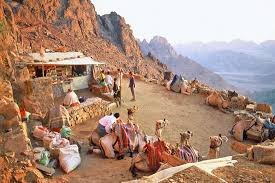
What’s Included in Mount Sinai Travel Packages?
Most professional Mountain Sinai travel packages include:
-
Hotel pickup & drop-off (Sharm El Sheikh or Dahab)
-
Air-conditioned transportation
-
Entrance fees to Mount Sinai
-
Licensed Bedouin guide
-
Sunrise hike to Jebel Musa
-
Visit to St. Catherine’s Monastery
-
Basic breakfast after descent
Optional add-ons:
-
Camel ride (partial ascent)
-
Private tour upgrade
-
Overnight stay in St. Catherine
Mount Sinai Tour Itinerary (Typical Program)
Day 1 – Night Departure
-
Pickup between 9:00 PM – 11:00 PM
-
Drive to St. Catherine (2–3 hours)
-
Short rest & preparation
Day 2 – Sunrise Hike
-
Start hiking around 1:00–2:00 AM
-
Reach the summit before sunrise
-
Enjoy panoramic views over Sinai mountains
-
Descend after sunrise
-
Visit St. Catherine’s Monastery
-
Return to hotel by afternoon
This itinerary is the backbone of most Mountain Sinai travel packages offered in Egypt.
Prices of Mountain Sinai Travel Packages
Prices vary based on group size and departure city:
| Package Type | Approx. Price |
|---|---|
| Group tour | $35 – $55 |
| Private tour | $80 – $150 |
| Overnight package | $120 – $220 |
💡 Prices may increase during peak seasons (Christmas, Easter, religious holidays).
Mount Sinai History & Spiritual Significance
Mount Sinai is believed to be the place where Prophet Moses received the Ten Commandments. It is sacred to Islam, Christianity, and Judaism, making it one of the most spiritually significant destinations in the world.
At the mountain’s base stands St. Catherine’s Monastery, one of the oldest continuously operating monasteries in history and a UNESCO World Heritage Site.
This deep spiritual context makes Mountain Sinai travel packages especially popular among pilgrims and cultural travelers.
Safety & Travel Tips
-
South Sinai is heavily secured and safe for tourists
-
A Bedouin guide is mandatory
-
Wear warm clothing (very cold at night)
-
Comfortable hiking shoes are essential
-
Moderate fitness level recommended
Frequently Asked Questions (FAQ)
Is Mount Sinai safe to visit in 2026?
Yes. South Sinai tourist routes are well-protected. Travel to North Sinai is restricted, but Mount Sinai tours operate normally.
Do I need a guide?
Yes. Local Bedouin guides are required by law and included in all Mountain Sinai travel packages.
Is the hike difficult?
Moderate difficulty. Camels are available for most of the ascent if needed.
Dahab or Sharm El Sheikh – which is better?
-
Sharm El Sheikh: luxury resorts & families
-
Dahab: budget-friendly & closer to Mount Sinai
Why Book Your Mountain Sinai Travel Package With a Professional Operator?
Choosing a trusted tour operator guarantees:
-
Legal permits
-
Experienced guides
-
Reliable transportation
-
Clear pricing
-
No hidden fees
Avoid booking unlicensed operators offering extremely cheap prices — safety and legality matter in Sinai.
Book Your Mountain Sinai Travel Package Today
A journey to Mount Sinai is more than a tour — it’s a life-changing experience. With the right Mountain Sinai travel package, you can focus on the moment, the climb, and the sunrise instead of logistics.
📌 Book now and experience one of Egypt’s most sacred and breathtaking adventures.
Conclusion: The Summit Awaits
A journey to Mount Sinai is more than a tourist excursion; it is a passage through time. It demands effort—the groggy 1:00 AM wake-up call, the biting wind, the burning muscles on the stairs—but the reward is singular. Standing atop the peak as the sun floods the stark granite wilderness with light, one understands why this place has been considered holy ground for millennia.
