
Mount Sinai Adventure Tours
Mount Sinai Adventure Tours
Discover unforgettable Mount Sinai adventure tours including sunrise hikes, desert safaris, Bedouin experiences, and guided trips from Egypt’s top destinations.
introduction
Mount Sinai adventure tours offer visitors a unique chance to explore one of the most iconic, ancient, and historic destinations in the region. Located near St Catherine’s Monastery
(Catherine’s), these journeys allow travelers to climb Mount Sinai and follow the real footsteps of history, faith, and spiritual life. Many travelers visit from Cairo, Saudi Arabia, and
across Arabia, drawn by the mountain’s deep historical significance, breathtaking beauty, and sense of awe.
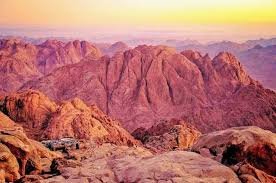
Whether you book a day trip or a complete adventure including transportation, accommodation, a desert tent, or an air-conditioned hotel in the nearby city, Mount Sinai promises
an unforgettable experience. Visitors can enjoy trekking, discover monasteries and church landmarks, and witness stunning sunrise views over the Red Sea region. With
flexible routes, clear price options that respect your money, and trusted reviews from fellow travelers, these popular tours guarantee comfort, safety, and inspiration. From trekking
activities and desert rest stops to cultural sites built centuries ago and continually operating libraries, every trip invites you to embark on a journey that enriches the soul,
supports health, and lets you watch history come alive.
1.1 The Mountain of God (Jebel Musa)
Geographically, Mount Sinai rises 2,285 meters (7,497 feet) above sea level. It is composed of alkaline granite, a geological feature that gives it a distinctive reddish hue that glows
intensely at sunrise and sunset. While it is not the highest peak in Egypt—that honor belongs to the neighboring Mount Catherine, which stands at 2,629 meters—it is arguably the
most culturally significant peak in the Middle East.
1.2 Saint Catherine’s Monastery: The Sentinel of the Sinai
At the foot of the mountain lies the Sacred Autonomous Royal Monastery of Saint Catherine of the Holy and God-Trodden Mount Sinai. Founded between 548 and 565 AD by the
Byzantine Emperor Justinian I, it is the oldest Christian monastery in the world that is still in use for its original function. The survival of this institution is nothing short of miraculous,
having endured through the rise of Islam, the Crusades, the Ottoman Empire, and modern geopolitical conflicts without ever being destroyed.
1.3 The Bedouin Custodians: The Jebeliya Tribe
The experience of climbing Mount Sinai is inextricably linked to the Jebeliya Bedouin tribe. Unlike other Bedouin tribes who are nomadic herders moving across the Sinai, the
Jebeliya have a unique origin story. They trace their lineage to soldiers from the Balkans and Alexandria sent by Emperor Justinian in the 6th century to protect the monastery. Over
the centuries, these guardians converted to Islam but maintained a symbiotic relationship with the Christian monks, serving as the mountain’s guides, porters, and protectors.
- Tour Packages Analysis: Prices, Inclusions, and Options
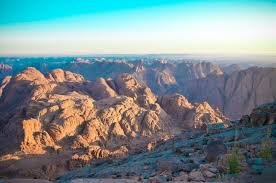
The market for Mount Sinai tours is mature and highly standardized, dominated by the “Sunrise Hike” model. Departures typically occur late at night to ensure hikers reach the
summit before dawn. Understanding the pricing structures and inclusions is vital for avoiding scams and ensuring a comfortable experience.
Frequently Asked Questions
Q1: Is it safe to travel to Mount Sinai in 2026?
A: Yes, the South Sinai tourist corridor (Sharm, Dahab, St. Catherine) is generally considered safe and is heavily secured by the Egyptian military. However, travel to North Sinai
remains prohibited. Always check the latest advisories from your government before travel, as the regional situation can change.
Q2: Do I really need a guide? Can I hike alone?
A: You cannot hike alone. It is mandatory to hire a local Bedouin guide. This is a regulation enforced by the Tourist Police for your safety and to support the local economy. You will
not be allowed past the checkpoint at the mountain base without one.
Q3: How hard is the hike? Do I need to be an athlete?
A: You do not need to be an athlete, but a reasonable level of fitness is required. The Camel Path is a long walk on an incline. The main challenge is the altitude and the final 750
steps. If you struggle, you can hire a camel for the majority of the way up. The descent is often harder on the knees than the ascent due to the impact of the steps.
Q4: Should I stay in Dahab or Sharm El Sheikh?
A: Stay in Sharm El Sheikh if you want luxury resorts, swimming pools, and family amenities. Stay in Dahab if you prefer a laid-back, bohemian vibe, cheaper prices, and a shorter
drive to the mountain (2 hours vs. 3 hours).
Q5: How much should I tip the Bedouin guide?
A: While tipping is discretionary, it is culturally expected. A tip of 600-800 EGP ($12-$16 USD) per group (or per couple on a private tour) is considered generous and respectful of
their service, as this is often their primary income source.
Conclusion: The Summit Awaits
A journey to Mount Sinai is more than a tourist excursion; it is a passage through time. It demands effort—the groggy 1:00 AM wake-up call, the biting wind, the burning muscles on
the stairs—but the reward is singular. Standing atop the peak as the sun floods the stark granite wilderness with light, one understands why this place has been considered holy
ground for millennia.
